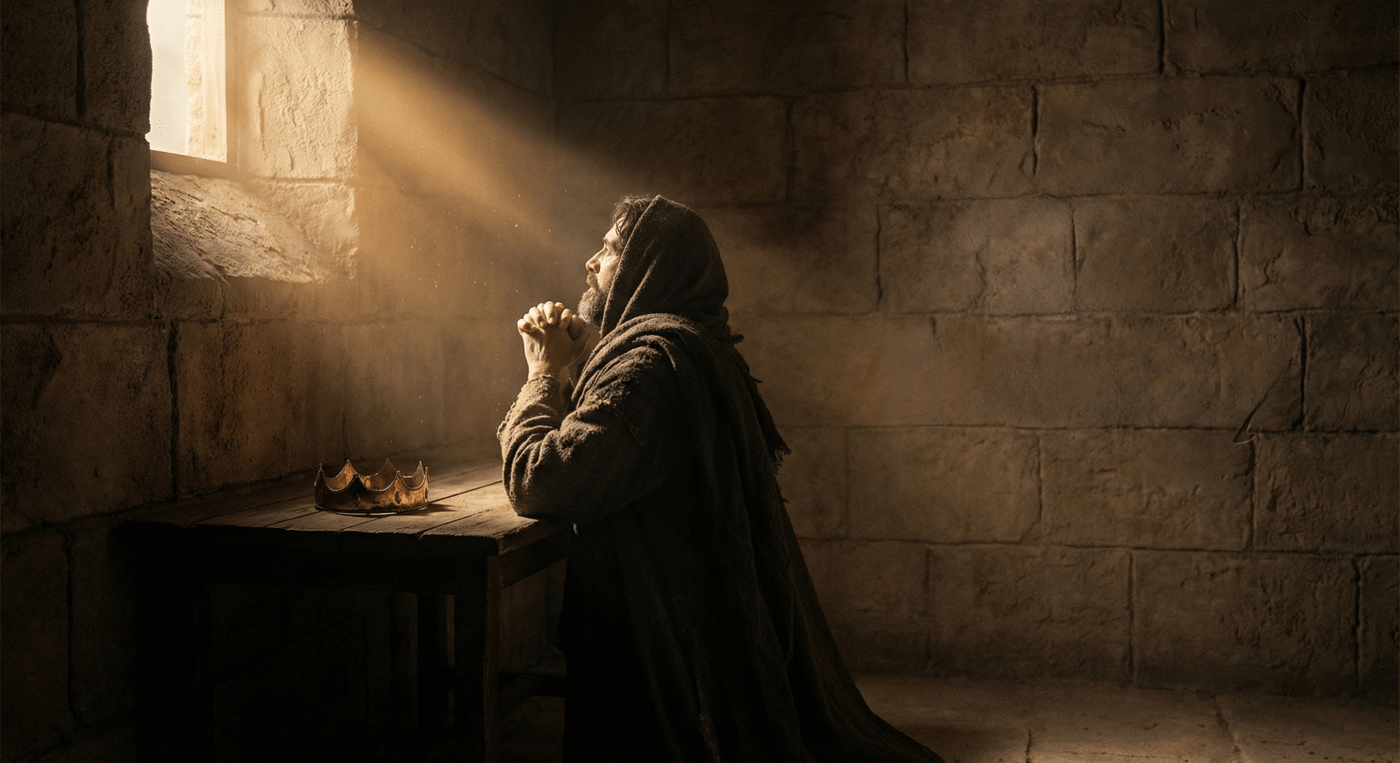
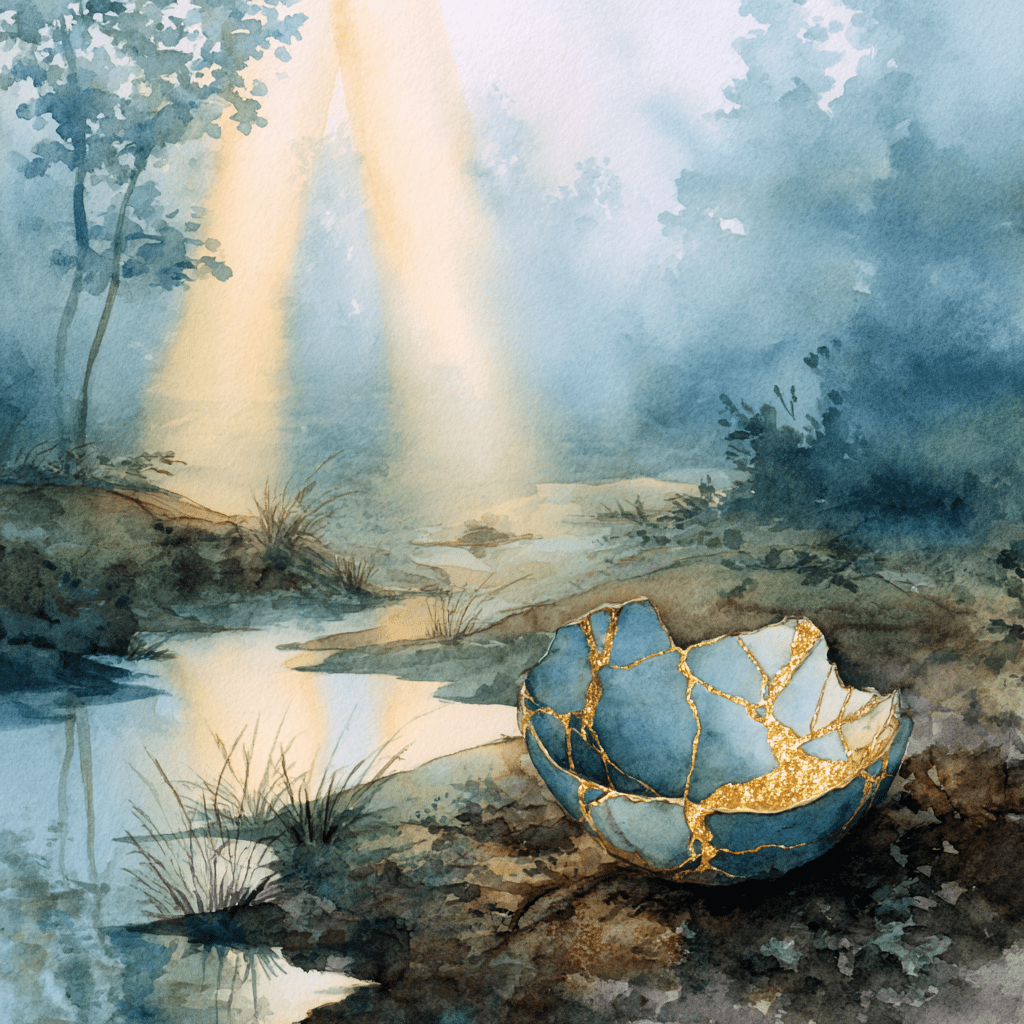
There’s something honest about calling this past year what it really was for many of us: a collection of failures and disappointments that culminated in something we didn’t expect. The ancient Israelites knew this feeling intimately. Their disobedience and rebellion led them into Babylonian captivity, where they watched their beloved Jerusalem reduced to literal ruins. The temple destroyed. The walls crumbled. Everything they had known and trusted lay in rubble around them. It wasn’t just bad luck or unfortunate circumstances; their own choices had contributed to the devastation. And now they sat among the wreckage of what used to be, wondering if restoration was even possible. If that’s where you are as this year ends, you’re not alone in the rubble.
Continue reading “What God Does With Ruins”The lights are up. The carols are playing. Everyone around you seems wrapped in warmth and wonder. And maybe you’re just trying to make it through.
Maybe this is your first Christmas without someone you love. Maybe your family is fractured, and the empty chair at the table feels like an accusation. Maybe you’re alone, not by choice, but by circumstance, and the world’s insistence on togetherness only amplifies the ache. Maybe your home isn’t the haven the Christmas cards promise, and you’re bracing yourself for tension instead of peace.
Continue reading “When Christmas Feels Heavy”Read: Isaiah 27-31
Today’s Passage: Isaiah 28:13 (ESV)
Have you ever heard the saying, “The more things change, the more they stay the same”? At first it sounds almost backwards. How can things change and stay the same? But when you look closely at life, you see the truth behind it.
The world around us may look different than it did years ago—our technology has advanced, our schedules are busier, and our challenges seem more complicated—but the human heart hasn’t changed at all. We struggle with the same temptations, wrestle with the same questions, and need the same guidance people needed long before us.
This is one of the major themes in Isaiah 27–31. Israel was changing outwardly, but inwardly they were still drifting from God. The Lord had to use what we might call “tough love” to wake them up. Even so, He never stopped defending them. His discipline was not abandonment—it was a call to return, to trust Him again, and to listen to His word. In that way, not much has changed today. God still calls us back through His word, and He still protects those who turn to Him.
Isaiah 28:13 reminds us that the word of God is not something to take lightly. It is meant to be our most prized possession. No amount of money can compare to what the Scriptures give us. Houses, cars, savings, and all the things we count as valuable cannot bless our lives like the living word of God. Jesus described the heart that receives and understands the word as the one that “bears fruit” (Matt. 13:23). That is still true for us today.
Some people argue that the Bible is outdated, written for another time and another world. But ignoring Scripture doesn’t make it useless. It is like a lost sailor who refuses to use the map in his hand. The problem is not the map—the problem is the refusal to open it. God’s word will guide us, but only if we are willing to read it. As the psalmist writes, “Your word is a lamp to my feet and a light to my path” (Ps. 119:105).
Jesus often pointed to children as the model for a faithful heart. Children are open. They are curious. They do not carry the baggage adults tend to carry—baggage of past hurts, disappointments, or distrust. Adults often resist new ideas because we think we already know enough. Children, on the other hand, love to discover new things. If we approached Scripture with that same childlike openness, imagine what God could teach us.
There is always something new to learn in God’s word. And every time we discover truth and put it into practice, our lives change for the better. Our hearts grow softer. Our steps grow steadier. Our faith grows stronger. Jesus said, “Let the children come to me… for to such belongs the kingdom of God” (Luke 18:16). When we come to God’s word with that kind of heart, He shapes us into who we were meant to be.
Psalm 34:18
“The Lord is near to the brokenhearted and saves the crushed in spirit.”
Few wounds cut as deeply as losing a loved one to suicide. It leaves behind unanswered questions, lingering guilt, and a silence that seems impossible to fill. Even the strongest faith can feel shaken in the wake of such tragedy. Yet it’s often in these dark valleys that the quiet presence of God becomes most real. Scripture does not hide from grief—it meets us there.
Continue reading “Finding Hope After the Unthinkable”Read: Isaiah 1-4
Today’s Passage: Isaiah 4:4
Many times, when we read verses about God’s judgment, our minds go straight to punishment and wrath. Some see God as a harsh taskmaster, giving impossible rules just to watch us fail, ready to strike with an iron fist. These ideas lead people to misunderstand His character, often pointing to natural disasters, or historical events, as proof of a cruel God. They ask, “How could a loving God do such things?”
Continue reading “God’s Justice and Love”Read: Ecclesiastes 9-12
Today’s Passage: Ecclesiastes 11:5
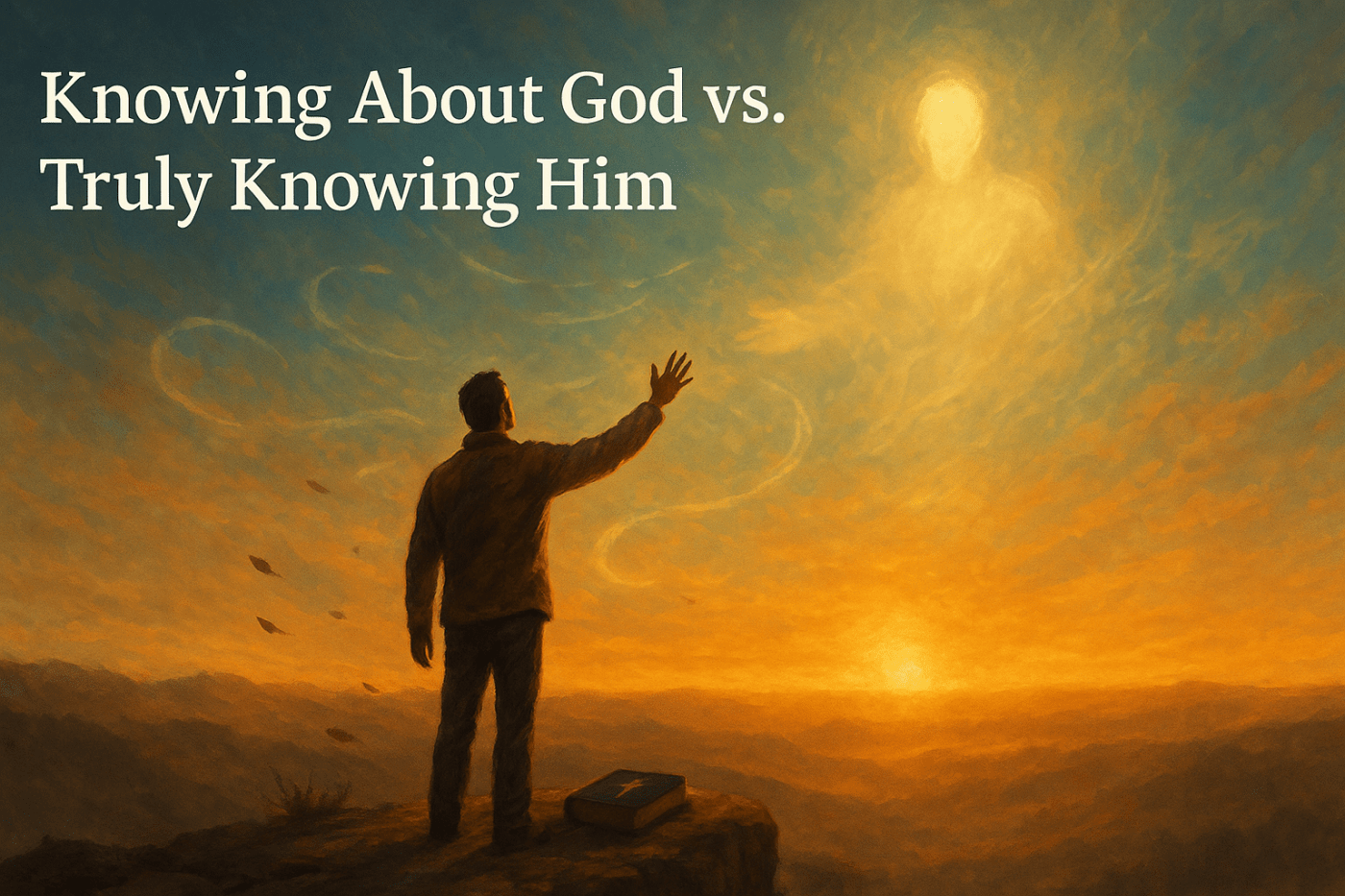
Often, we believe that what we know about life, the world, and even God is complete and absolute. Some even try to explain the nature of God as if they have Him all figured out. Even worse, some try to dictate what God will and will not do based simply on what makes sense to them. The truth is, we do not know God or the mind of God apart from He tells us. Scripture teaches that we cannot fully comprehend God or His ways. As Isaiah 55:8 says, “For my thoughts are not your thoughts, neither are your ways my ways, declares the Lord.”
Continue reading “Knowing About God vs. Truly Knowing Him”Read: Ecclesiastes 5-8
Today’s Passage: Ecclesiastes 5:15
People live for many different things. Throughout life, we are constantly encouraged to set goals and make plans. People form dreams and work tirelessly to see them fulfilled. For some, life is about climbing the ladder of success, achieving recognition, and leaving behind a legacy. Others focus on providing for their families or finding happiness through fun and leisure. These pursuits can give temporary satisfaction, but Solomon reminds us that ultimately, all earthly things fade away.
Continue reading “What Are You Living For?”Read: Ecclesiastes 1-4.
Today’s Passage: Ecclesiastes 4:9–12
“Two are better than one, because they have a good reward for their toil. For if they fall, one will lift up his fellow. But woe to him who is alone when he falls and has not another to lift him up! Again, if two lie together, they keep warm, but how can one keep warm alone? And though a man might prevail against one who is alone, two will withstand him—a threefold cord is not quickly broken.”
Continue reading “Stronger Together”When you look around, it’s clear: people are carrying heavy burdens. Some struggles are new to our generation, while others are as old as mankind. From a Christian perspective, these struggles remind us that the world is broken, but Christ offers hope and healing.
Continue reading “What Are People Struggling With Today?”Read: Prov. 27–31
Today’s Passage: Proverbs 30:5–6
This passage is more than a statement about the Word of God—it’s a reminder of where we place our trust. It speaks to our confidence in God’s truthfulness, His trustworthiness, and His care for those who cling to His Word. When we open the Bible, we’re not just reading ink on a page; we are encountering the very heart of God—His revealed will and His promises that have never failed. From Genesis to Revelation, every word is intentional and carries His divine authority.
Continue reading “Every Word of God Is Pure”Read: Proverbs 23–26
Today’s Passage: Proverbs 25:9–10
The book of Proverbs continues with valuable insights from the wise. In chapters 23 and 24, we find the thirty sayings of the wise (Prov. 23:1–24:22), including a strong warning about the problems of too much wine (Prov. 23:29–35). Proverbs 24:23–34 offers more sayings of the wise, and chapters 25–26 contain additional proverbs compiled by the men of Hezekiah from the wisdom of Solomon (Prov. 25:1–26:28).
Continue reading “Guarding Against Gossip”Read: Proverbs 20-22.
Today’s Passage: Proverbs 22:28.
“Do not move the ancient landmark that your fathers have set.” (ESV)
This brief verse from Proverbs carries more weight than it might first seem. In its original context, it refers to the physical boundaries of land and inheritance—borders that marked the possession of families and tribes. These boundaries were sacred, often set generations before and intended to remain fixed. Moving them was not only dishonest but a serious crime (see Deut. 27:17).
Continue reading “Do Not Move the Ancient Landmarks”Read: Proverbs 16–19
Today’s Passage: Proverbs 19:17
“Whoever is generous to the poor lends to the Lord, and He will repay him for his deed.” – Proverbs 19:17 (ESV)
As believers, we are called to help those who are less fortunate than ourselves. This is not a minor suggestion in Scripture, it’s a repeated and consistent theme. From the Law and the Prophets to the teachings of Jesus and the early church, we are reminded that caring for the poor reflects the heart of God. Giving to the needy isn’t just an act of charity; it’s part of what it means to live a Christ-like life.
Continue reading “Called to Serve the Needy”Read: Prov. 12-15
Today’s Passage: Prov. 12:22
Church, as we this week’s reading, we find a wealth of practical wisdom for everyday life. These chapters help us discern what is good, what is harmful, and how we can live in a way that honors God. Today, let’s focus on one key truth that Proverbs 12:22 touches on: the lasting impact of our words.
Continue reading “The Lasting Impact of Our Words”Read: Proverbs 8–11
Highlights:
The creation activities of Jesus are intermingled with the voice of wisdom (1 Corinthians 1:24, “Christ the power of God and the wisdom of God”; Colossians 2:3, “in whom are hidden all the treasures of wisdom and knowledge”). We are told to praise wisdom and avoid folly.
Continue reading “Living with Wisdom and Fear of the Lord”