Search

Central Haywood Church of Christ

Serving God from the mountains of North Carolina

Category

Bible

The Hope of Easter: Day 10

John 20:19–29

Every scar has a story. The one on my finger is from a knife I was told to leave alone. I didn’t listen. The one on my leg is from a bicycle crash I’d rather forget. And the one on my stomach is from a piece of metal that chipped off a steel chisel at exactly the wrong moment.

Continue reading “The Hope of Easter: Day 10”

The Hope of Easter: Day 9

John 20:11–18

A man I read about was adopted at birth and grew up with no knowledge of his biological family. In his forties, a DNA service connected him with a half-sister he had never known. They exchanged careful, tentative messages for weeks. Then one afternoon she called him, and the moment he heard her voice, something unexpected happened. She said his name, and he wept.

Continue reading “The Hope of Easter: Day 9”

The Hope of Easter: Day 8

1 Corinthians 15:12–24

A historian I read about spent two years trying to disprove the resurrection. He was not a believer, he was a skeptic, and he approached the accounts of Easter the way a detective approaches a crime scene: looking for inconsistencies, alternate explanations, reasons to dismiss. He catalogued the evidence on both sides. He interviewed scholars. He traced the manuscript traditions.

Two years later, he had not disproved it. He had, instead, found his objections answered one by one, until what remained was a historical event he could not explain away. He became a Christian not by feeling but by following the evidence where it led.

Paul made the same kind of argument to the Corinthian church. Some believers there had begun to doubt whether resurrection was real, perhaps, like many in the Greek world, they found a bodily resurrection philosophically distasteful. Paul responded with bracing logic: if there is no resurrection, then Christ was not raised. And if Christ was not raised, then your faith is empty, your sins are unforgiven, and those who have died in Jesus are simply gone (1 Corinthians 15:17–18, ESV).

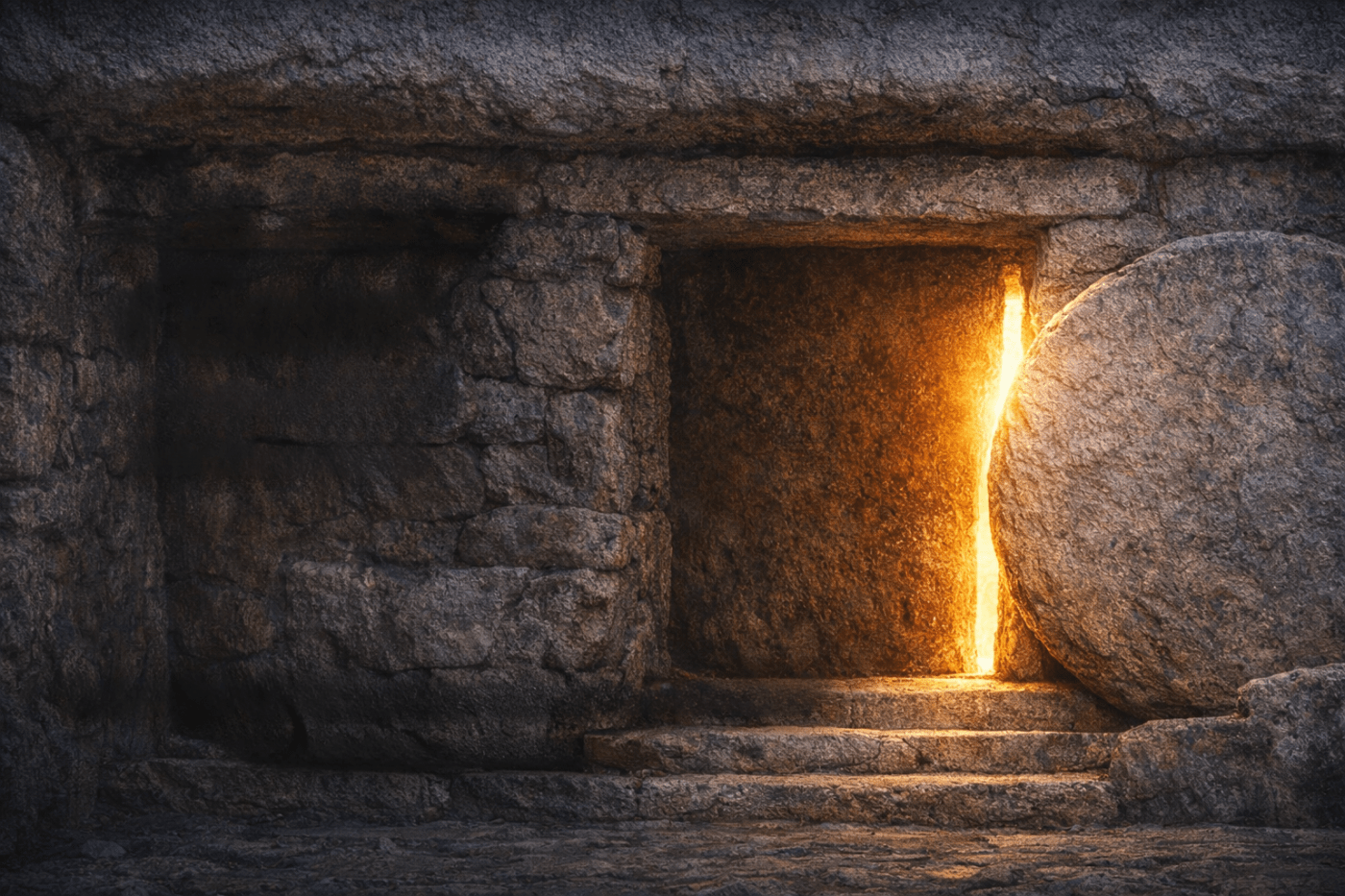
He did not soften this. The resurrection is not decorative to Christianity. It is load bearing. Everything hangs on it. If the tomb is still occupied, the whole structure collapses. What Christ has been raised from the dead means is not a footnote to the faith. It is the foundation.

But, and this is the word that changes everything, “But in fact Christ has been raised from the dead” (1 Corinthians 15:20, ESV). The verb is perfect tense: a past event with ongoing, permanent effect. He rose, and He remains risen. Death has been defeated, not in theory but in fact, in history, in a garden outside Jerusalem on a Sunday morning.

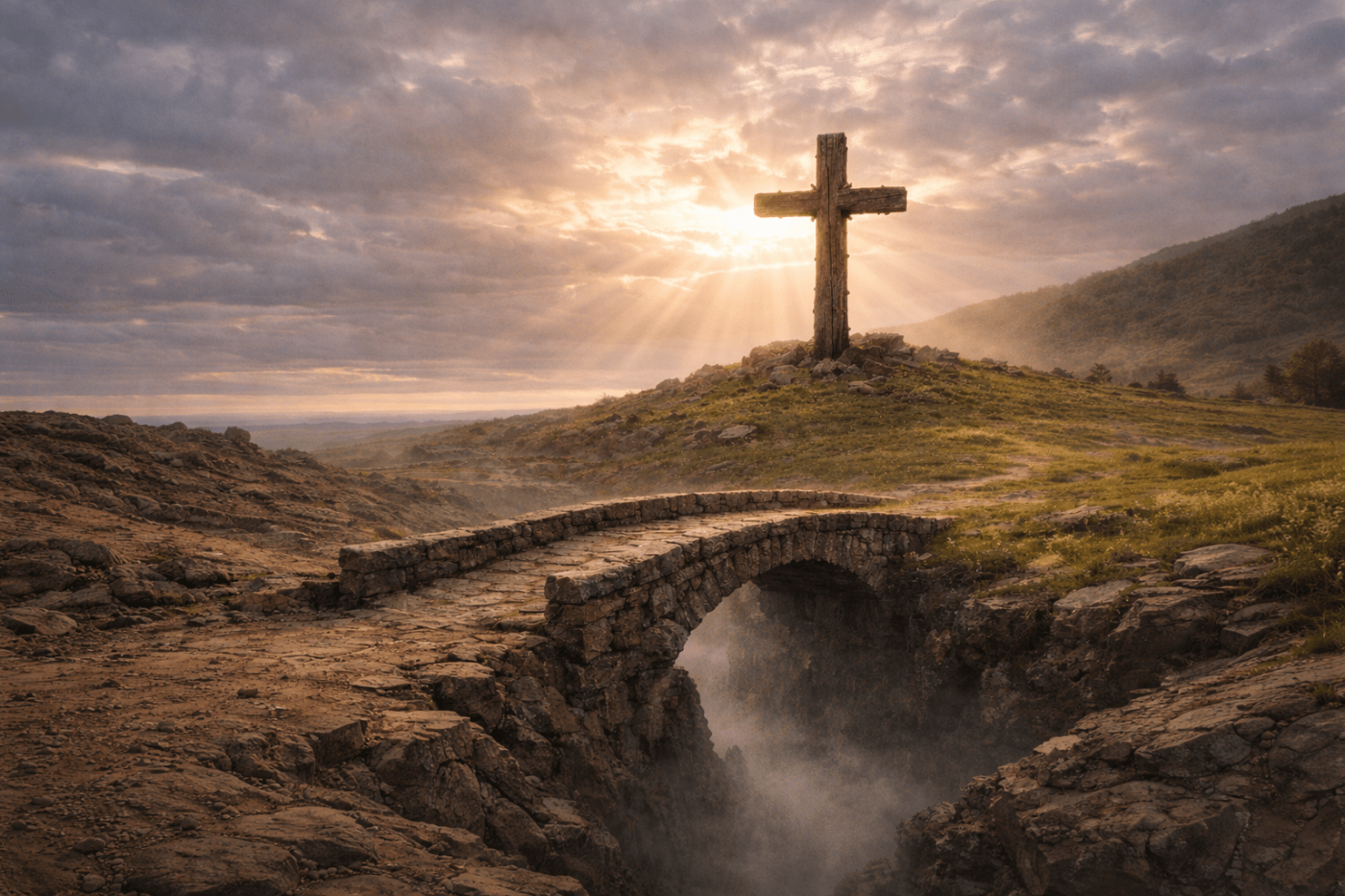
This Good Friday, we pause at the cross, not because the story ends there, but because it can’t be skipped. The resurrection is glorious precisely because the death was real. He carried what we could not carry, so that we might live what we could not live on our own.

What doubts have you carried about the resurrection? How would your daily life look different if you lived as though Christ’s resurrection were the most certain fact in your world?

Risen Christ, thank You for dying a death that was real so that You could offer a life that is eternal. I choose today to build everything on the truth of an empty tomb.

The Hope of Easter: Day 7

Psalm 2

A photojournalist who covered conflict zones for twenty years described what she called the hardest moment of her career. Not the violence she’d witnessed, but a single night in a city under siege when she genuinely believed darkness was going to win. The brutality seemed total, the cruelty organized, the hope of liberation absurd.

Continue reading “The Hope of Easter: Day 7”

The Call That Changes Everything

Jeremiah 1:5

Most of us have been chosen for something at least once. A team in high school, a committee at work, a seat on some board nobody else wanted. You remember that feeling, right? Somebody looked at you and said, “We want you.” It felt good. But then Monday rolls around, and whatever we were chosen for starts to feel pretty ordinary. The excitement wears off. The responsibility doesn’t.

Continue reading “The Call That Changes Everything”

Why Did Jesus Have to Die?

Isaiah 53:4-7

It’s a question I’ve been asked more than a few times, usually over coffee, sometimes in a hospital room, occasionally from someone sitting in the back pew with tears they’re trying to hide. Why did Jesus have to die? The truth is, it’s not an easy question to explain. Not because the answer isn’t there, but because the weight of it is almost too much to hold in a single conversation.

Continue reading “Why Did Jesus Have to Die?”

When the Dark Won’t Lift

Isaiah 50:10

There are stretches in life when you do everything right and still feel lost. You read your Bible. You pray. You show up on Sunday. And yet the fog stays. The confusion lingers. Some of us are walking through one of those stretches right now, and the hardest part isn’t the darkness itself. It’s wondering whether we did something wrong to end up in it.

Continue reading “When the Dark Won’t Lift”

This Can Be Your Best Year Yet

As a new year begins, we do not all step into it the same way. Some of us come hopeful and eager, ready for a fresh start. Others arrive cautiously, carrying disappointments from the year behind us. Some are grieving. Some are tired. Some are quietly wondering if they have the strength to face whatever comes next. God meets us in all of those places, and it is there that our confidence must begin.

Continue reading “This Can Be Your Best Year Yet”

When Christmas Feels Heavy

The lights are up. The carols are playing. Everyone around you seems wrapped in warmth and wonder. And maybe you’re just trying to make it through.

Maybe this is your first Christmas without someone you love. Maybe your family is fractured, and the empty chair at the table feels like an accusation. Maybe you’re alone, not by choice, but by circumstance, and the world’s insistence on togetherness only amplifies the ache. Maybe your home isn’t the haven the Christmas cards promise, and you’re bracing yourself for tension instead of peace.

Continue reading “When Christmas Feels Heavy”

Waiting for the Light (Isaiah 9:2)

There is something sacred about standing at the edge of another Christmas season. Before the usual rush settles in, it helps to pause, truly pause, and consider why this time matters so deeply. Often the most meaningful moments come when we stop long enough to notice what God is doing in the quieter corners of our lives (Psalm 46:10).

Continue reading “Waiting for the Light (Isaiah 9:2)”

Standing Firm: Trusting God’s Promises in Troubled Times

Read: Isaiah 32-37

Today’s Passage: Isaiah 35:4

The headlines assault us daily with an unrelenting stream of troubling news—terrorism, economic instability, natural disasters, and wars. Each story can fill believers with fear and anxiety, draining us emotionally until we wonder if anything good remains in this world. Yet amid this uncertainty, Isaiah 32-37 offers a powerful reminder of God’s faithfulness and protection.

Throughout these chapters, Isaiah presents a beautiful contrast: the promise of Christ’s coming kingdom (Isaiah 32:1-8, 15-20) and the Lord’s assurance of victory over our enemies (Isaiah 33:5-6, 21-22; 34:8; 35:4, 10; 37:5-7, 22-35). The central message rings clear in Isaiah 35:4: ‘Say to those who have an anxious heart, “Be strong; fear not! Behold, your God will come with vengeance, with the recompense of God. He will come and save you.”‘ This verse encourages believers to stand firm in God’s power during difficult times.

This assurance isn’t a generic promise for everyone—Isaiah is speaking directly to believers. For those who trust in the Lord, fear doesn’t have to be our default response. We don’t need to sit around worrying, allowing anxiety to rob us of joy. The reason is beautifully simple: He is our God. As Isaiah 59:19 reminds us, ‘When the enemy comes in like a flood, the Spirit of the LORD will lift a standard against him.’ This assurance helps believers stand firm and trust in God’s protection.

When we genuinely believe in the Lord, nothing can defeat us. Through obedience comes the victory that Jesus won on the cross. We are His adopted children, and He will defend us. Romans 8:31 asks the rhetorical question that should settle our hearts: “If God is for us, who can be against us?”

However, this promise doesn’t mean life will be easy. If Jesus is our example—and He faced tremendous hardship—we can expect struggles too. We’re engaged in a daily battle against the world, the flesh, and Satan. Each seeks to defeat us and hinder our walk with the Lord.

Fear is one of Satan’s most effective weapons, and he wields it with precision. When we doubt God’s power, give in to worry, or forget what the Lord has done, the enemy gains a foothold in our lives. But we must not accept fear into our hearts when the Lord is just one prayer away. Remember: fear is the opposite of faith.

As 2 Timothy 1:7 declares, “God gave us a spirit not of fear but of power and love and self-control.” In these uncertain times, let us cling to God’s promises in Isaiah, standing firm in faith rather than cowering in fear. When fear rises, turn in prayer and cling to the promises of God (Isa. 35:4) so that our hearts are reminded of who our God is.

Redeeming Halloween

1 Corinthians 10:31 – “So, whether you eat or drink, or whatever you do, do all to the glory of God.” (ESV)

Many Christians wrestle with what to do about Halloween. For some, it’s a harmless night of candy, costumes, and community. For others, it feels like a celebration of darkness and evil. It’s easy to see why opinions vary—Halloween’s history is tangled. Its roots include pagan harvest festivals and later Christian observances like All Saints’ Day. Yet, over the centuries, it has evolved into a cultural event rather than a spiritual one. The question we must ask isn’t merely “Where did it come from?” but “What do we make of it now?”

Continue reading “Redeeming Halloween”

A New Day, A New Prayer

Psalm 143:8

Early mornings often hold a unique stillness—a quiet invitation to draw near to God before the day’s busyness begins. Imagine Jesus rising before dawn to seek solitary communion with His Father (Mark 1:35). His life was filled with needs, crowds, and ministry demands, yet prayer was His anchor—a way to begin, not just react to, the challenges ahead (Luke 5:16).

Continue reading “A New Day, A New Prayer”

Judgment on Egypt: A Lesson for the Proud

Read: Isaiah 15-21

Today’s Passage: Isaiah 19:1–2

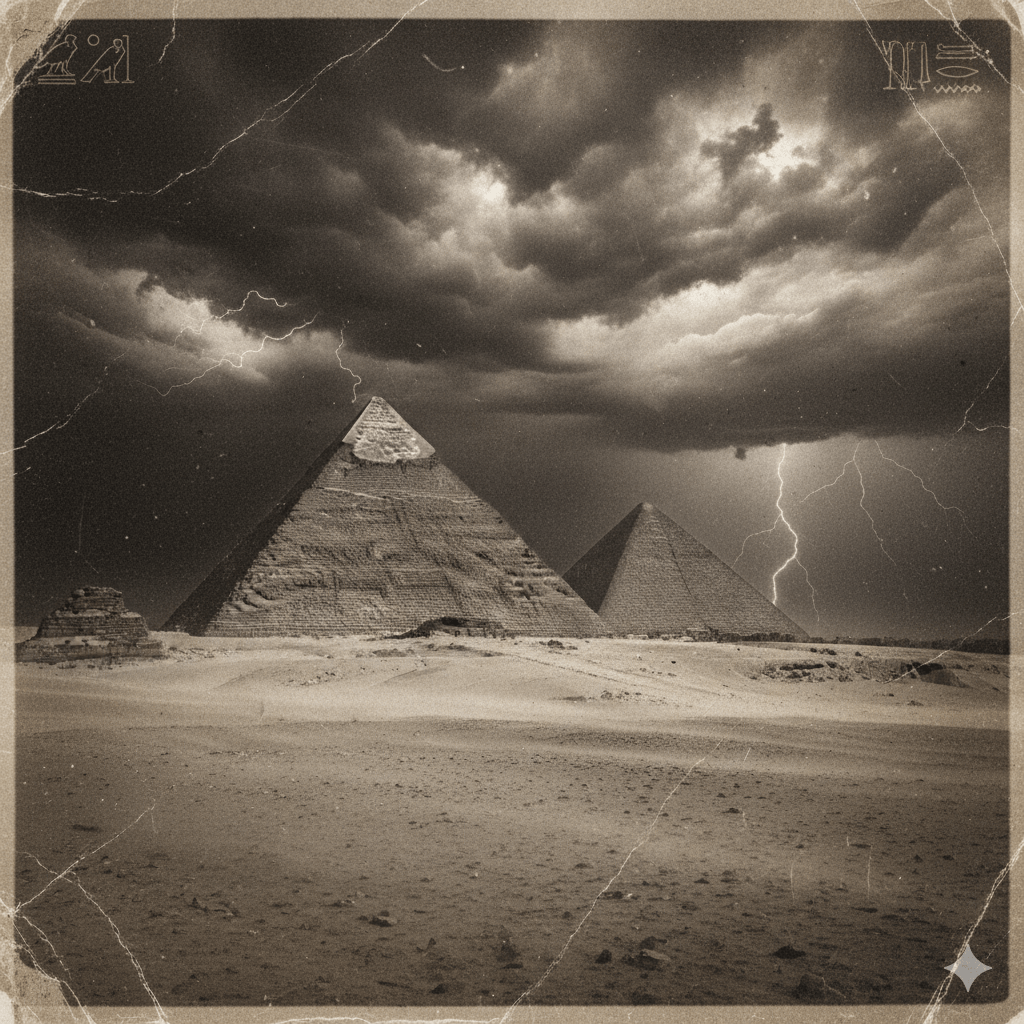
At one time, Egypt was one of the greatest powers on earth. The armies of Pharaoh were feared and respected across the ancient world. They were strong not only in battle but also in trade and wealth. Egypt became a symbol of human pride—mighty, organized, and confident in its own strength. Yet Isaiah’s prophecy reminds us that even the most powerful nations fall when they set themselves against God.

God told Abraham that He would bless those who blessed him and curse those who cursed him (Genesis 12:3). This promise extended through Israel’s history and applies still to all who align themselves either for or against God’s purposes. In Isaiah 15–21, we read a series of judgments on surrounding nations—Moab, Damascus, Ethiopia, Egypt, Babylon, Edom, and Arabia. Each of these nations had opposed God’s people in some way and would face His righteous judgment.

Egypt’s relationship with God had always been complicated. During Joseph’s lifetime, Egypt was a place of refuge and provision. God used Joseph to preserve both Egypt and Israel during famine. But as time passed, a new Pharaoh arose who “did not know Joseph” (Exodus 1:8). Fearing the growing number of Israelites, he enslaved them, turning a nation once associated with blessing into one marked by oppression. When Moses came as God’s deliverer, Pharaoh’s pride brought Egypt to ruin. The Red Sea swallowed their army, and the great power of the world was crippled for generations.

Throughout history, Egypt had many opportunities to recognize God’s authority. They had witnessed the faith of Abraham, Isaac, Jacob, Joseph, and Moses. At times, they even showed belief in God—but it never lasted. Their hearts always turned back to worldly security, trusting in wealth, wisdom, and military power rather than in the Lord. Jesus warned about this very mindset when He said, “Do not seek what you are to eat and what you are to drink, nor be worried… instead, seek His kingdom, and these things will be added to you” (Luke 12:29–31).

Egypt’s downfall still stands as a warning of what happens when people reject God and harm His own. Human pride, no matter how mighty it appears, cannot stand against the purposes of heaven. As Paul reminds us, “Behold, now is the favorable time; behold, now is the day of salvation” (2 Corinthians 6:2).

Let Egypt’s story warn and encourage us: blessings come through humility and obedience, but judgment follows when we exalt ourselves above God.

The Branch and the Root

Read: Isaiah 10-14.

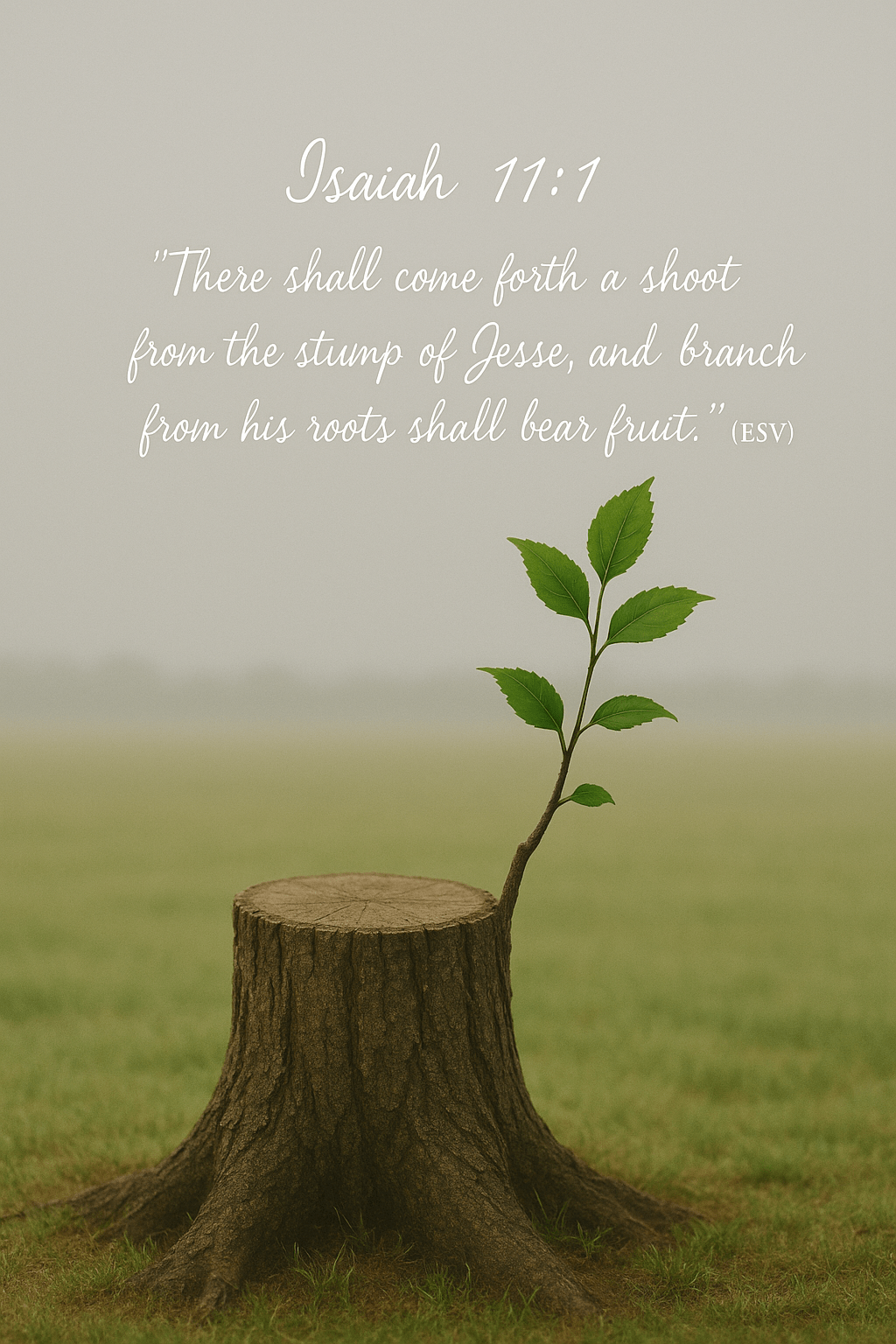
Today’s Passage: Isaiah 11:1-2

Isaiah gives us a beautiful picture of hope in the midst of difficulty. Chapters 10 through 14 are Messianic in nature, meaning they point us to Jesus, the promised Messiah. In these passages, God reminds His people that no matter how bleak things may seem, His plan of salvation will stand.

Continue reading “The Branch and the Root”

Website Built with WordPress.com.

Up ↑