
Read: Psalm 88-91
Today’s Passage: Psalm 89:6-8
Alright, let’s dive into this passage from Psalm 89. The writer here is really doing something profound. He’s praising God, but he’s doing it in a way that makes you stop and think. He’s not just listing off God’s attributes; he’s drawing us into a conversation, and that’s a powerful way to get us engaged. He’s asking questions, and they aren’t just any questions; they’re rhetorical.
Think about it: why ask a question when the answer is so obvious? It’s not because the Psalmist doesn’t know the answer. It’s because he wants us to think about it. It’s a way of saying, “Hey, don’t just take this for granted. Really think about how great God is.” These kinds of questions force us to reflect. They make us dig a little deeper. We’re not just passively reading; we’re actively participating in the praise. It’s like the Psalmist is saying, “Come on, let’s reason together. Let’s explore the awesomeness of God.” And he doesn’t leave us hanging; he even starts to answer them himself, pointing to God’s greatness.
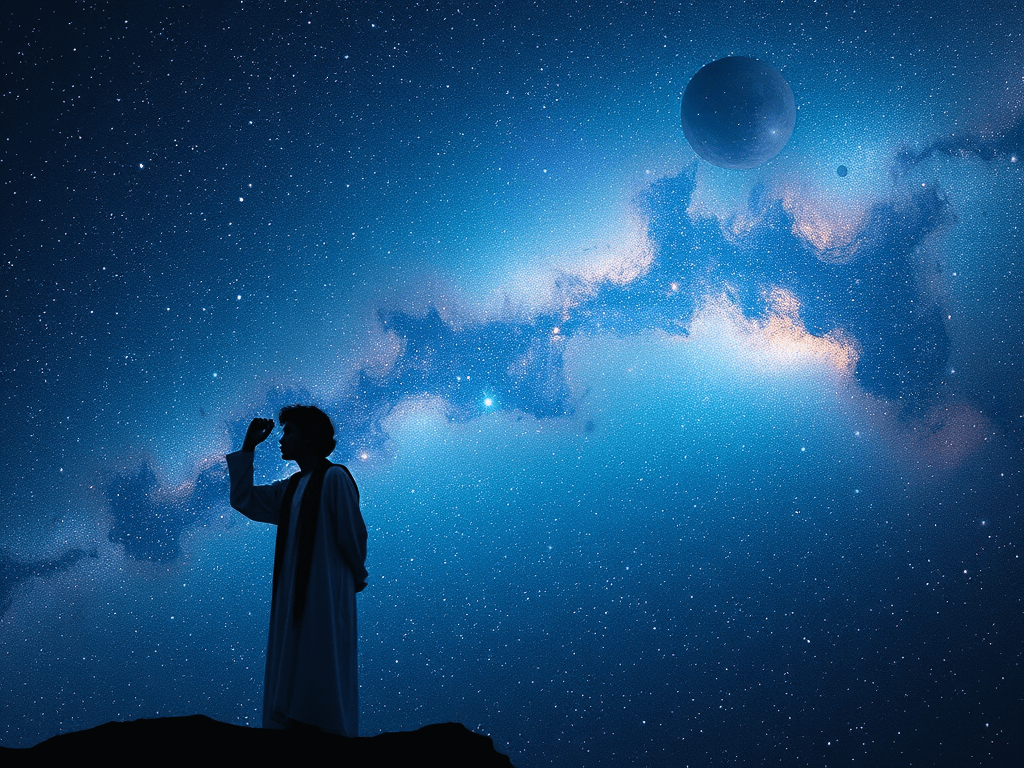
The first question he poses is powerful: “Is there anything in heaven that compares to God?” And the answer? Of course not! I mean, think about the vastness of the heavens, all that we can see and all that’s beyond our sight. This is the God who created the entire universe, the heavens and the earth (Genesis 1:1). That’s like comparing a thimble to the ocean. You can’t even wrap your mind around the scale of it. And the Psalmist is reminding us that God is the one who brought all of this into existence. The creator is always going to be greater than what He created. It’s a fundamental truth, but one we need to be reminded of constantly. Revelation 19:4 echoes this, reminding us of God’s glory and majesty in the heavenly realms.
Then comes the second question, which is equally important: “Can anything compare to the Lord?” Down through history, many have tried to put themselves on the same level as God or at least tried to diminish His uniqueness. We see this in ancient cultures, and we even see it today. People create idols, whether they are physical objects or things like power, success, or fame. But it always ends in failure. The truth is, there is only one God (1 John 5:20). This isn’t just a theological statement; it’s a statement about reality.
What these verses are really driving home is that there’s no one like our God. He’s all-powerful, and He is to be feared and revered (Hebrews 12:28). It’s about recognizing His absolute authority and our dependence on Him. In our daily lives, we face so many things that try to pull us away from worshipping and praising God. These things can be really tempting, I get it. We’re bombarded with messages that tell us to seek fulfillment in other things. But no matter how appealing they seem, they will never be God. They will never satisfy the deepest longings of our hearts.

 Central Haywood Church of Christ